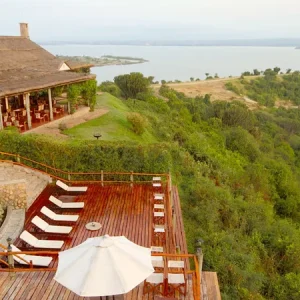
Rwanda’s nickname, the “Land of a Thousand Hills” (Pays des Mille Collines in French), is a vivid description rooted in the country’s unique geography, cultural identity, and historical context. Below is a detailed exploration of why Rwanda is referred to by this evocative name, covering its topography, environmental factors, cultural significance, and practical implications.
1. Geographical and Topographical Features
Rwanda, a small landlocked country in East Africa, spans approximately 26,338 square kilometers and is characterized by a dramatic, hilly landscape that defines its nickname. Here’s why the topography is central to the moniker:
• Hilly Terrain: Rwanda’s landscape is dominated by rolling hills, steep slopes, and deep valleys. The country sits on the eastern rim of the Albertine Rift, a western branch of the East African Rift, which contributes to its rugged and undulating terrain. Elevations range from about 900 meters in the eastern lowlands near the Tanzanian border to over 4,507 meters at the peak of Mount Karisimbi in the Virunga volcanic range. The constant rise and fall of hills across the country create a visually striking pattern, often described as a sea of green hills.
• Thousand Hills as a Poetic Exaggeration: The term “thousand hills” is not a literal count but a poetic expression emphasizing the sheer abundance of hills visible in every direction. From almost any vantage point in Rwanda, one can see a seemingly endless series of hills, often terraced for agriculture, stretching to the horizon. This visual repetition inspired the nickname, capturing the essence of Rwanda’s geography.
• Volcanic and Tectonic Influence: The western part of Rwanda, particularly the Virunga Mountains, is shaped by volcanic activity, while the central and eastern regions feature plateaus and hills shaped by tectonic processes. These geological forces have sculpted the country into a patchwork of elevated ridges and valleys, reinforcing the “thousand hills” imagery.
2. Environmental and Agricultural Context
The hilly landscape has profound environmental and agricultural implications, which further cement the nickname’s relevance:
• Agricultural Terracing: Rwanda’s hills are heavily cultivated, with farmers using terracing techniques to maximize arable land on steep slopes. These terraces, often lush with crops like coffee, tea, bananas, and sorghum, enhance the visual prominence of the hills, making them a defining feature of the countryside. The terraces also reflect Rwanda’s adaptation to its challenging topography, turning hills into productive agricultural zones.
• Biodiversity and Ecosystems: The hilly terrain supports diverse ecosystems, from montane forests in the northwest (home to the endangered mountain gorillas) to savannas in the east. The varied altitudes create microclimates that sustain a range of flora and fauna, adding to the ecological richness associated with the “thousand hills.”
• Water Systems: The hills contribute to Rwanda’s nickname indirectly through their role in the country’s hydrology. The valleys between hills channel rivers and streams, making Rwanda a key watershed for the Nile and Congo river basins. This water flow, shaped by the hilly landscape, supports agriculture and underscores the land’s fertility.
3. Cultural and Historical Significance
The “Land of a Thousand Hills” is more than a geographical descriptor; it holds cultural and historical weight:
• National Identity and Pride: The nickname has become a source of national pride, symbolizing Rwanda’s beauty and resilience. It is frequently used in tourism campaigns, literature, and official narratives to evoke the country’s scenic allure and unique character. For Rwandans, the hills represent both the challenges of their environment and their ability to thrive within it.
• Historical Context: The hilly terrain has historically influenced settlement patterns, agriculture, and even defense strategies. Communities often built on hilltops for protection, and the landscape shaped social and economic life. The nickname reflects this deep connection between the people and their land.
• Colonial and Post-Colonial Legacy: The phrase Pays des Mille Collines gained prominence during the colonial period when European explorers and administrators, struck by the landscape, popularized the term in French. Post-independence, Rwanda embraced the nickname as part of its identity, especially in promoting tourism and cultural heritage.
4. Tourism and Global Perception
The nickname plays a significant role in Rwanda’s global image, particularly in tourism:
• Scenic Beauty: The rolling, green hills, often shrouded in mist, create a picturesque landscape that attracts visitors. Iconic sites like the Nyungwe Forest, Volcanoes National Park, and the terraced hills of the countryside are marketed under the “thousand hills” banner, drawing tourists for hiking, gorilla trekking, and cultural experiences.
• Tourism Branding: Rwanda’s government and tourism industry actively use the “Land of a Thousand Hills” in promotional materials. The nickname encapsulates the country’s appeal as a destination of natural beauty, distinct from the flatter savannas or coastal landscapes of other African nations.
• Photography and Media: The dramatic vistas of Rwanda’s hills have been widely captured in photography, documentaries, and travel media, reinforcing the nickname’s global recognition. The layered, terraced hills under Rwanda’s equatorial skies create a compelling visual narrative.
5. Practical Implications of the Hilly Landscape
The hilly terrain has practical implications that tie into the nickname’s significance:
• Agricultural Challenges and Innovations: The steep slopes pose challenges for farming, such as soil erosion, but Rwanda has implemented innovative solutions like terracing and agroforestry. These efforts highlight the hills as both a challenge and an opportunity, central to the country’s identity.
• Infrastructure Development: The hilly landscape complicates infrastructure projects like roads and bridges, requiring engineering ingenuity. The nickname indirectly reflects the resilience required to navigate and develop such a terrain.
• Population Distribution: With one of the highest population densities in Africa (over 500 people per square kilometer in some areas), Rwanda’s hills are home to tightly knit communities. The nickname underscores how the land shapes human settlement and social organization.
6. Symbolism and Modern Rwanda
In the context of Rwanda’s post-1994 genocide recovery, the “Land of a Thousand Hills” has taken on additional symbolic meaning:
• Unity and Resilience: The hills symbolize Rwanda’s ability to rise above challenges, much like the country’s recovery and reconciliation efforts. The nickname evokes a sense of enduring beauty and strength.
• Economic Growth: Rwanda’s focus on sustainable development, including eco-tourism and high-value agriculture (like coffee and tea grown on hilly slopes), ties the nickname to its modern aspirations. The hills are not just a feature of the landscape but a foundation for economic progress.
Conclusion
Rwanda’s designation as the “Land of a Thousand Hills” is a multifaceted reflection of its geography, culture, and history. The country’s dramatic, hilly landscape, shaped by geological forces, defines its visual and ecological character. The hills, terraced for agriculture and dotted with communities, are central to Rwandan life and identity. Culturally, the nickname evokes pride and resilience, while in tourism, it highlights Rwanda’s scenic allure. Historically and practically, the hills have shaped settlement, agriculture, and development, making the “thousand hills” an apt and enduring metaphor for Rwanda’s unique place in the world.


Related posts
The Rothschild’s giraffes survival
December 28, 2021
Reasons To Visit Lake Bunyonyi In Kabale District
March 29, 2026
Uganda gorilla trekking safari in 2025.
March 29, 2026