Estimated reading time: 8 minutes
The Big 5 are Africa’s undisputed super stars and the reason tourists set out eagerly on dawn and dusk game-viewing excursions. There can be no argument that giraffe and zebra are prettier creatures than buffalo, or that cheetah can be easier to find than leopard, but seeing any of the Big 5 living wild and free in their natural habitats remains an unforgettable thrill at the top of most travellers’ safari tick list.
The term ‘Big 5’ was originally coined in the 19th Century by big game hunters who listed African elephant, Cape buffalo, African lion, leopard and rhinoceros as the five most dangerous creatures to hunt on foot in Africa. Fortunately, the Big 5 are now protected in national parks and private game reserves, and the term is synonymous with photographic safaris. Today’s tourists contribute directly to the conservation of these magnificent animals across encroachments like poaching, wildlife trafficking and habitat destruction.

When is the Best Time to See the Big 5?
Peak safari season runs from about July to October across Africa. This coincides with the continent’s cool, dry winter. There are several reasons why it’s easier to find them at these times:
- The lack of rain means the vegetation dries up and thins out, literally making it easier to see a rhino or buffalo compared to the long, dense grass and heavy foliage of summer. This particularly applies to leopards, which spend much of their time in trees – in winter, they will have fewer leaves, making these sleek felines easier to spot.
- The lack of rain also means that ponds, streams, puddles and smaller water courses dry up, forcing animals to congregate around the remaining large lakes and rivers. Most animals must drink every day so they don’t stray too far from the little water that is left. This is particularly true of herds of buffalo and elephant, which often migrate to lile-giving rivers like the Chobe at the border of Namibia and Botswana.
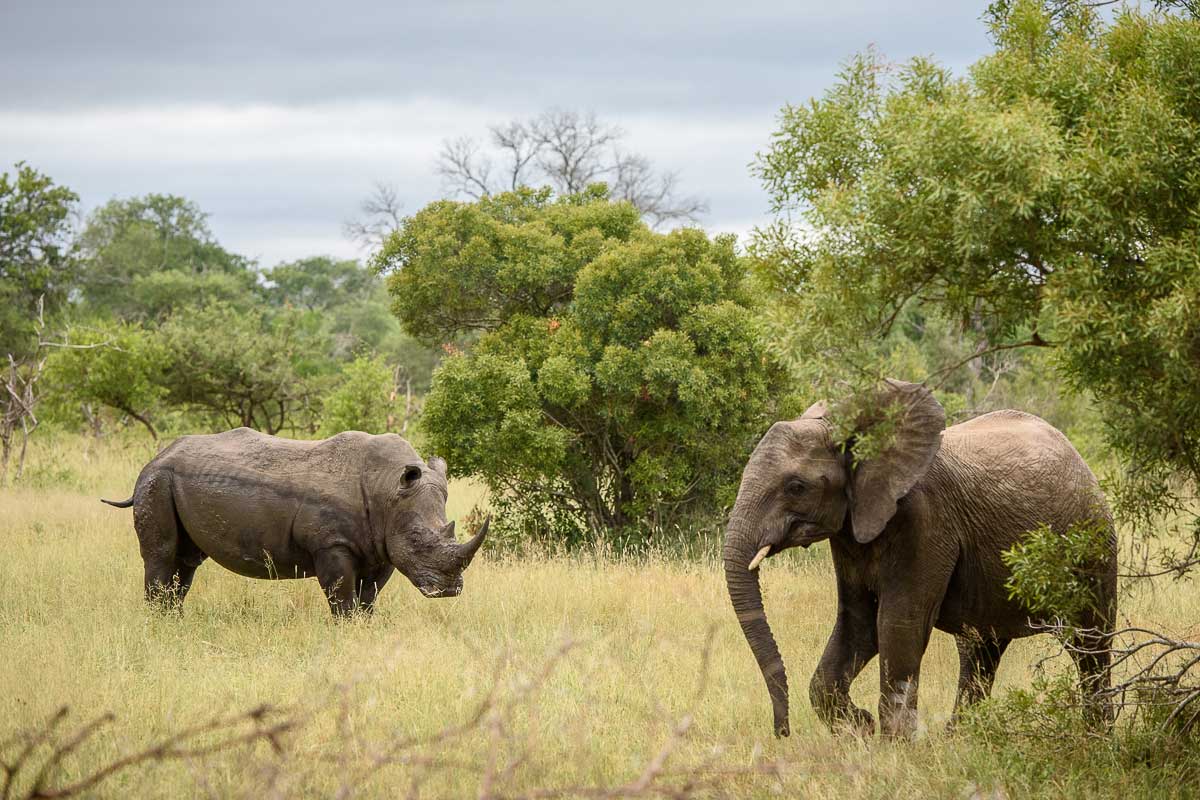
Where Are the Best Places to See the Big 5?
Members of the Big 5 are found in different concentrations across Africa. If you want the best chance of seeing them all on a single safari – sometimes, if you’re really lucky on a single game drive or in a single day – then head to the following places:
- The Ngorongoro Crater: This crater in Tanzania is packed with about 30,000 animals that can’t descend the steep walls and so thrive in this varied ecosystem. It is easily combined with the Serengeti and Tarangire.
- Madikwe Private Game Reserve: Former farmland in South Africa that is being painstakingly rehabilitated, Madikwe has all the Big 5 as well as luxury lodges and cooperation between different guides. It pairs with Sun City, Africa’s largest resort.
- The Kruger National Park: A staple on any safari-goer’s map, whether you’re a beginner or a seasoned traveller to Africa. This massive chunk of South Africa – the size of about Israel or Belgium – is a good place to start.
- Sabi Sand Game Reserve: Sharing an unfenced border with Kruger, the beauty of Sabi Sands is that only guests are allowed in while animals can wander at will. Some of Africa’s most luxurious lodges are found here.

How to Photograph the Big 5
African elephant (Loxodonta africana)
The classic way to watch elephants in Chobe is by boat. This gives you great sightings of them swimming, wallowing and spraying themselves with water.
Male African elephants are the world’s largest terrestrial animal reaching heights of four metres / 13 feet and weighing up to 7,000kg / 15,000lb. Their incisors grow into tusks, which they use to move objects, dig and as weapons, while their famously large ears help control their body temperature. Related females live in family groups with their calves, while mature males live alone or in bachelor herds. Elephants are gregarious with multiple family groups socialising together.
Where to see big herds:
- Chobe National Park in Botswana
- Hwange National Park in Zimbabwe
- Amboseli National Park in Kenya
- Addo Elephant National Park in South Africa
- Etosha National Park in Namibia
How to get the shot:
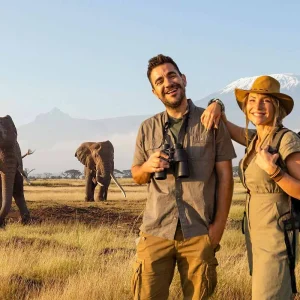
Use a wide-angle lens to contextualise them in the natural landscape. Choose a zoom lens to capture intimate physical characteristics, like their tusks, trunks or wonderfully expressive eyes. Emphasize their size by shooting from different angles, for example from ground level if you can get into a hide.