Mountain gorillas are beautiful
The mountain gorillas are beautiful creatures that every tourist should experience on the African safari, and their story is one of the attractive, massive and survival in the face of many challenges and threats. On an African safari, the mountain gorillas live in the forests of the Virunga Mountains in central Africa, where they live freely. Mountain gorillas are mainly known of their broad chests and powerful muscles that give them the strength to live.
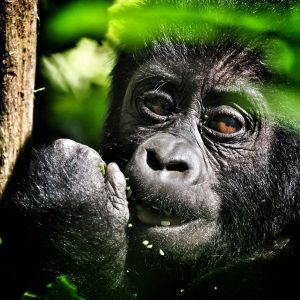
The mountain gorillas have thick, soft fur, that have colours from dark brown to black, and their attractive, intelligent eyes, the mountain gorillas are beautiful to observe. Mountain gorilla’s size and their strength are such attractive, these gentle giants are social animals in that they live in family groups that are led by a dominant silverback, and the silverback protects and cares for the fellow group members from the intruders in the forest. Currently the mountain gorillas are reducing in number because they face many challenges like habitat loss for various activities like agriculture, poaching for meat and among others, diseases, and the human conflict, which have reduced their numbers to just over 1000 individuals.
However, the efforts through conservation efforts, research plans, community-based projects through habitat protection, Anti-poaching patrols, collaboration and coordination, behavioral studies, health monitoring, ecotourism, community engagement and education, reforestation and habitat, and among many others. As we continue to learn more about these mountain gorillas, and their protection ways, their numbers will increase highly thus increasing tourism in various safari destinations like Bwindi Impenetrable National Park and Mgahinga Gorilla National Park in Uganda, Volcanoes National Park in Rwanda and Virunga National Park in Democratic Republic of Congo.
The story of the mountain gorillas is one of resilience and hope. One on the brink of extinction, the mountain gorillas have made a remarkable recovery due to the conservation and dedication of researchers, rangers and the local communities. From the misty mountains of Rwanda, Uganda and Democratic Republic of Congo, the gentle giants have reclaimed their place in the wild, their families thriving under the watchful eyes of their silverback leaders that is the power of conservation and the enduring beauty of nature.
Gorillas move with a gentle elegance, their strong bodies while moving in the popular forests. As the mountain gorillas feed this is attractive, they fix their fingers to remove leaves and shoots from the trees, through displaying a level of coordination that is both fascinating and attractive to observe. Not only their physical appearance and behavior that makes the mountain gorillas beautiful-it’s also their gentle nature, their playful behaviours, and their emotional connections with each other, all of which shine through in their interactions and relationships.
Whether they are playing, grooming or simply resting, joy, and belonging, remind us of the importance of family, community and connection in our own lives. As you face the mountain gorillas, you experience an intriguing safari experience, and are reminded of our shared humanity, our connection to the natural world. In the presence of the mountain gorillas, you can be attracted by the beauty, wonder and the natural of the world around us, and are inspired to cherish, protect and preserve the mountain gorillas, and the world they stay for generations to come. Contact us for more information.
Facts about the mountain gorillas.
The mountain gorillas are fascinating creatures, with a range of intriguing facts and characteristics that set them apart from other animals. Living in the dense, misty forests of the Virunga Mountains in central Africa, the mountain gorillas stay in a unique and challenging environment, with steep slopes, dense undergrowth, and frequent rain and mist, requiring them to be highly adaptable and resourceful in order to survive. Minus minding about their size, the adult male gorillas reach up to 6 feet tall and weigh up to 400 pounds, the mountain gorillas are incredible, which is why they are able to move quickly and easily through the forest, using their powerful arms and hands to pull themselves up steep slopes and hold and climb the tree branches.
One of the most interesting facts about the mountain gorillas is that the mountain gorillas are very social animals that is because they mainly live in the family groups, that are always led by the dominate silverback male, with the grey hair on their backs, which gives them their name, the silverbacks usually ages between 12 to 20 years with the behavioral observations like leading the group, resolving the conflicts and protecting the group from the external threats. The mountain gorillas are very intelligent, in that they use tools to help them gather food and move in their environment, and displaying a range of behaviors, such as communication, cooperation and even culture with different groups developing their own unique traditions and customs.
Mountain gorillas are endangered, with their populations reducing through habitat loss, poaching, diseases for matter therefore, conservation efforts to protect habitats of mountain gorillas should be maintained, mountain gorillas remain an important species, inspiring wonder, and admiration in all who are lucky to experience in gorilla tracking and gorilla habituation, and reminding us of the importance of preserving the natural world and all its incredible inhabitants for the future generations, With their appearance, fascinating behavior, the mountain gorillas are truly one of the most fascinating species in the animal kingdom to experience. Get in touch with us.
Mountain gorillas Animal Kingdom.
Mountain gorillas belong to the animal kingdom of Mammalia, specifically within the order Primates, family Hominidae, and gnus Gorilla. Mountain gorillas are closely related to humans, chimpanzees and bonobos, sharing with above 95% DNA, and since then their evolutionary paths have charged, resulting in the unique characteristics and the traits that define the mountain gorillas as a distinct species. Within the genus Gorilla, the mountain gorillas are classified as Gorilla beringei beringei, one of two subspecies of the eastern gorillas, the other being the Grauer’s gorillas, and are distinguished from the western gorillas, which include the western lowland gorillas and the Cross River gorillas, by their thicker fur, broader chests, and more prominent sagittal crests. The mountain gorillas’ classification in the animal kingdom shows their intriguing biology, which has influenced scientists, and conservationists, and highlights the importance of the continued research, conservation, and protection efforts to ensure the long-term survival of these incredible creatures and their habitats.
Where are the mountain gorillas are located.
The mountain gorillas are located in the heart of Africa, specifically in the Virunga Mountains, a rage of the volcanic that stretches across the borders of three countries: the Democratic Republic of Congo, Rwanda and Uganda. The Virunga Mountains is made up of the misty forests, and thus providing a unique and the challenging habitat for the mountain gorillas, who have lived to this environment over several of years. Virunga Mountains is home to eight volcanoes that is Karisimbi, Bisoke, Nyiragongo, and among others which have created a landscape of the volcanic soil, lava flows and the crater lakes, providing a rich and fertile environment for the mountain gorillas to live. The mountain gorillas are found in two main populations, the Virunga population, which is located in the Virunga National Park in the Democratic Republic of Congo, the Volcanoes National Park in Rwanda and the Mgahinga Gorilla National Park in Uganda and Bwindi Impenetrable National Park. These national parks provide a safe habitat for the mountain gorillas, and are managed mainly by conservation efforts to protect the gorillas and their habitat from the threats such as poaching, habitat loss and diseases and among many others.
Threats of the mountain gorillas.
The mountain gorillas are facing numerous threats to their survival, including habitat loss and fragmentation, which is occurring at an alarming rate due to the expansion of agriculture, urbanization and mining, resulting in the destruction of their forest habitat and the fragmentation of their populations, making it difficult for them to find food, shelter, and the potential mates. Poaching is another major threat to the mountain gorillas, as they are hunted for their meat, feet, hands and other which are highly valued on the black market, and the infant gorillas are also targeted by poachers, who sell them to collectors and zoos, leading to a significant decline in their populations.
Disease is also a major threat to the mountain gorillas, as they are susceptible to many human diseases like Ebola, influenza, and tuberculosis which can spread quickly through their populations, and the mountain gorillas’ low genetic diversity makes them more vulnerable to disease outbreaks. Climate change is also affecting the mountain gorillas, as changes in temperature and rainfall patterns are altering the availability of their food sources, such as the bamboo and the leaves, and making it harder for them to adapt to their changing environment.
Human to gorilla conflict is also a very strong threat to mountain gorillas, as their habitat is increasingly being encroached upon by the humans, leading to conflicts over resources, such as the food and the water, and resulting in the injury or death of both the humans and the gorillas. Furthermore, the mountain gorillas are also threatened by the lack of effective conservation efforts, inadequate law enforcement, and corruption which hinder the protection to their habitat and the prevention of poaching ad other illegal activities.
How to reduce the threats of the mountain gorillas.
To reduce the threats facing the mountain gorillas, a multi-faceted approach is necessary, involving the collaboration of the governments, conservation organizations, local communities, and individual, address the various challenges they are facing, such as habitat loss and fragmentation, poaching, diseases, climate change and the human-gorilla conflict. One of the most effective ways to reduce these threats is to protect and expand their habitat, through the establishment of national parks and protected areas, which provide a safe and secure environment for the gorillas to love, and also support sustainable forest management practices, such as the selective logging and reforestation, to reduce the impact of the human activities on their habitat. The conservation efforts also reduce poaching of the mountain gorillas through supporting of the anti-poaching patrols that is intelligence gathering, and law enforcement, as well as raising awareness about the impact of poaching and the importance of protecting the gorillas and their habitat to the locals.
The diseases prevention in the gorilla are also important, through the introduction of heath monitoring programs, vaccinations and quarantine protocols, to reduce the risk of disease transmission between the gorillas and humans. Also climate change, through the promotion of sustainable land-use practices, such as agroforestry, also helping to reduce the greenhouse gas emissions and promote ecosystem resilience, as well as supporting research and monitoring programs to better understand the impacts of the climate change on the gorillas and their habitat. Human-gorilla conflict can be reduced through the implementation of community-based conservation programs which provide benefits and incentives to local communities for protecting the gorillas and their habitat, such as ecotourism, sustainable agriculture, and education and outreach programs, which help to promote coexistence and reduce conflicts between humans and gorillas.
Also using conservation organizations and doing plans, spreading awareness about the mountain gorillas, and making sustainable lifestyles of the mountain gorillas, such as reducing carbon emissions and supporting eco-friendly products, can all contribute to reducing the threats facing the mountain gorillas and ensuring their long-term survival of the gorillas in their natural habitats.
For more information about mountain gorillas, gorilla trekking, gorilla habituation, kindly contact us at Inspire African Safaris we shall plan and prepare for you the perfect safari experience of any choice that you wish to do and you will have the unforgettable safari memories; that is only East Africa in different safari destination of your choice with the different prices of gorilla trekking permits. For example 1500 USD per person per trek in Volcanoes National Park Rwanda, Bwindi Impenetrable National Park and Mgahinga Gorilla National Park paying 800 USD per person per trek for the non-foreign residents, 700 USD per person per trek for foreign residents, and 300,000 UGX per person per trek for the East African Citizens in Uganda and 400 USD per person per trek in Virunga National Park in Democratic Republic of Congo.
For more information, please do not hesitate to contact our team of experts Herman Joseph & David Richards.